Building dignity, opportunity, and resilience with refugee and host communities
In Uganda , East Africa, operates in Kyaka II Refugee settlement and it is dedicated to transforming lives and empowering vulnerable communities especially refugees through targeted interventions in critical areas. Established by Festo Nduwayezu on August 2, 2020, LHI’s mission is to deliver immediate assistance while fostering sustainable solutions for long-term, positive impact.
Kyaka II Refugee Settlement in western Uganda currently hosts roughly 130,000–136,000 refugees, the vast majority (over 90%) originating from the Democratic Republic of Congo, reflecting continued regional instability and cross-border displacement (Good Neighbors International Uganda.). Recent data from 2025–2026 shows that Uganda remains one of the world’s largest refugee-hosting countries with nearly 1.8–2 million refugees, placing sustained pressure on settlements like Kyaka II, where women and children form the majority of the population (UNHCR).
The situation in Kyaka II is characterized by growing humanitarian needs, including reduced food rations, increasing poverty, and rising tensions between refugees and host communities due to limited resources and livelihood opportunities (Prime Minister’s Office). At the same time, the settlement continues to demonstrate resilience through ongoing humanitarian and development programs focused on protection, livelihoods, and social cohesion, although funding gaps and climate-related challenges (such as drought and environmental degradation) continue to affect living conditions and long-term sustainability.
Let’s Help International (LHI) began its journey in Uganda in 2020 with a commitment to supporting vulnerable and marginalized communities through practical, community-led solutions. Today, our work continues in Uganda while our organization has expanded its presence in Canada, where we support newcomers, immigrants, refugees, and other displaced communities.
Our experience in Uganda remains an important part of who we are. It has shaped our commitment to community leadership, inclusion, dignity, self-reliance, and sustainable solutions.
Supporting Refugees and Host Communities
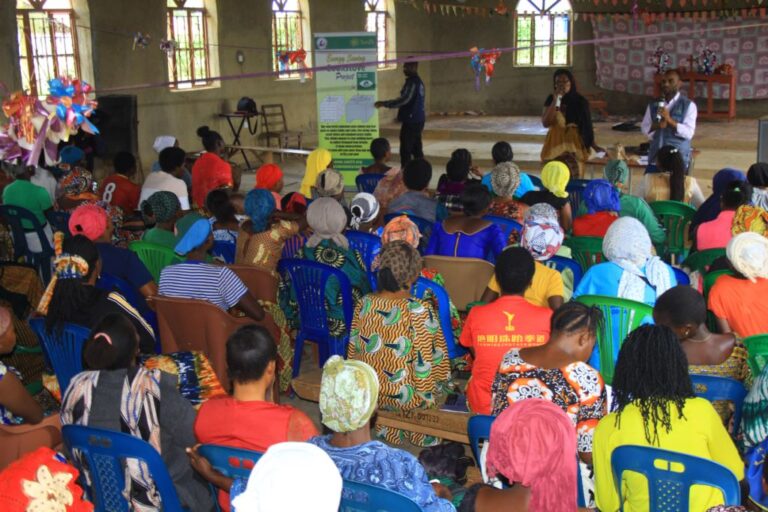
LHI works closely with refugee and host communities, particularly in Kyaka II Refugee Settlement in Uganda, responding to needs identified by the communities themselves.
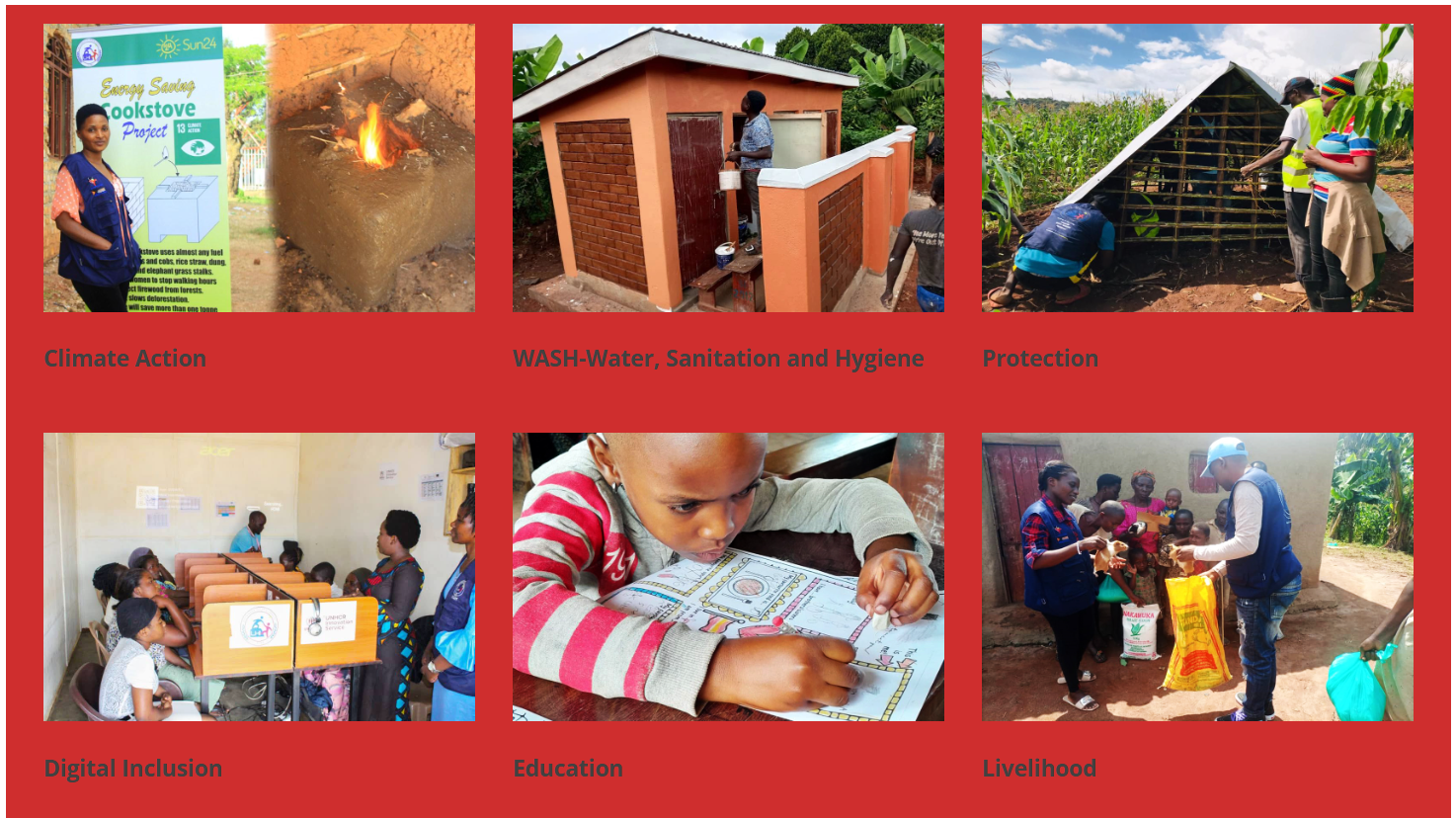
Our programs cover several interconnected areas, including:
Education
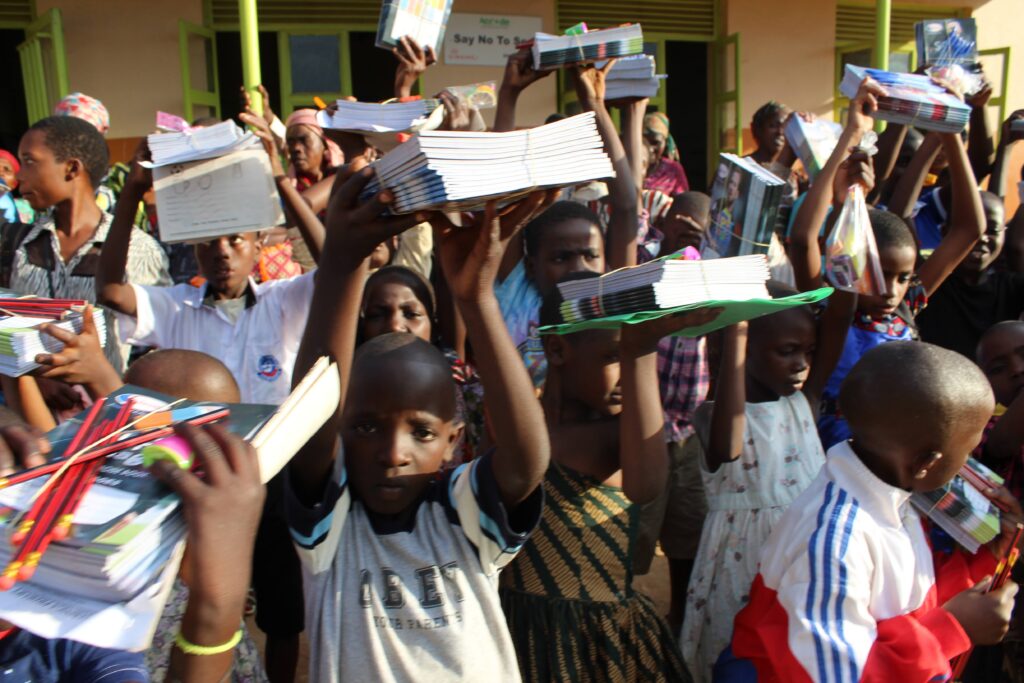
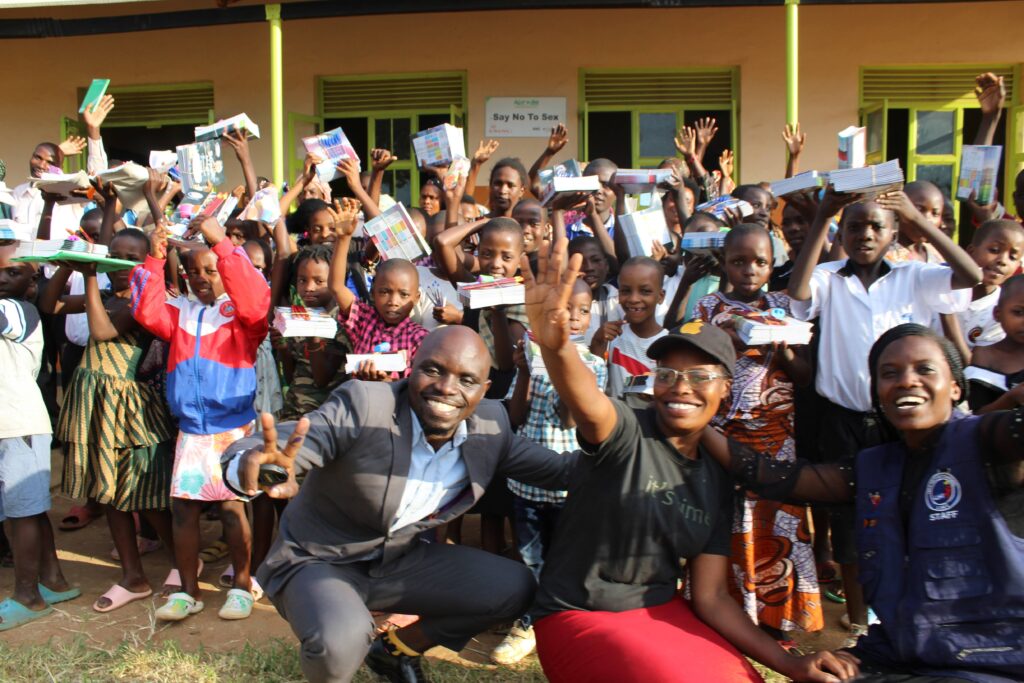
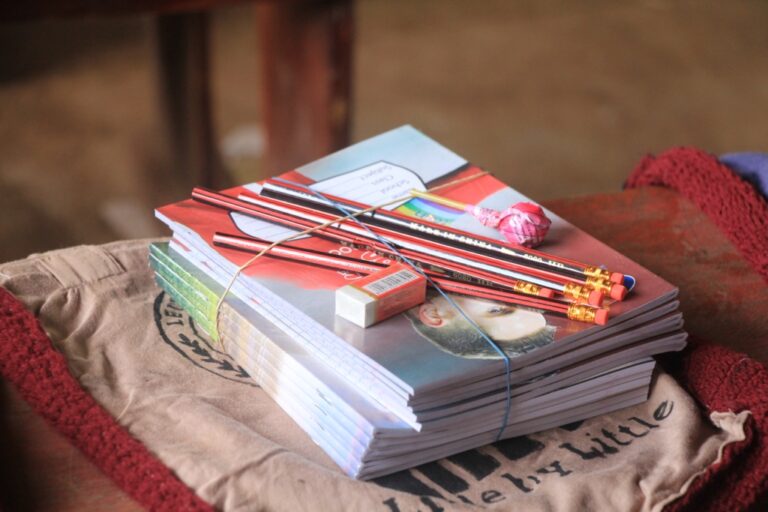
Education is one of our core areas of work. We support vulnerable refugee children who face barriers to accessing and remaining in school.
Our education support includes:
- School fees support
- School uniforms
- Scholastic materials
- Psychosocial support
- Community awareness and mobilization around education
- Child Sponsorship Program
LHI is currently supporting 65 vulnerable refugee children through education assistance. This work is particularly important because many children in Kyaka II continue to face barriers to education.
We believe that education is more than attending school—it is an investment in a child’s future, dignity, protection, and ability to contribute to their community.
Digital Inclusion
Technology and digital skills are increasingly important for education, employment, entrepreneurship, communication, and access to information.
LHI promotes digital inclusion by providing digital literacy and technology-related training to refugees and other underserved communities.
Our digital empowerment work has included initiatives supporting refugee women-led businesses and strengthening digital skills among community members.
We also work with partners to strengthen teachers’ digital skills so that technology can contribute to better learning opportunities for children and young people.


Protection
LHI works to strengthen community-based protection for vulnerable people, including children, older persons, persons with special needs, and other individuals facing heightened vulnerabilities.
Our protection approach includes community awareness, identification of needs, referrals, mobilization, and practical support.
We believe that every person deserves to live with safety, dignity, and respect, regardless of their displacement status or circumstances.


Livelihoods and Self-Reliance
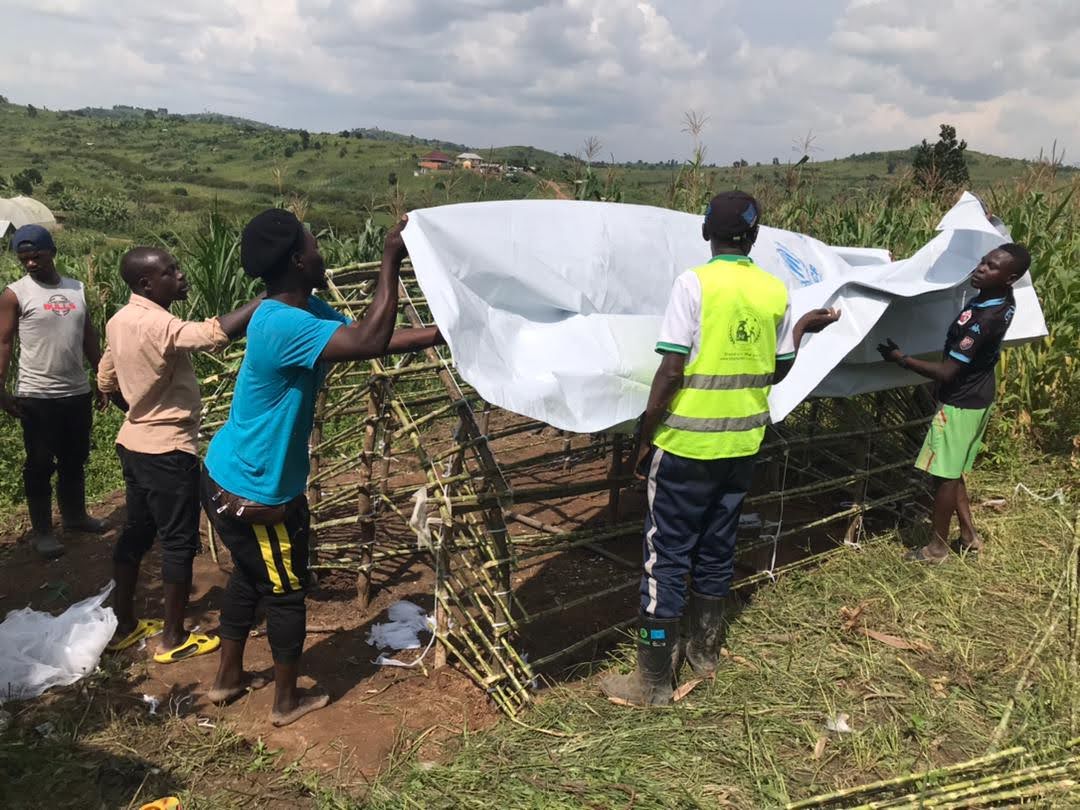
Displacement can make it difficult for individuals and families to access employment and sustainable income opportunities.
LHI therefore supports initiatives that promote skills development, economic empowerment, livelihoods, and self-reliance.
Our goal is not simply to provide short-term assistance, but to help individuals and communities develop the knowledge, skills, and opportunities they need to build more sustainable futures.

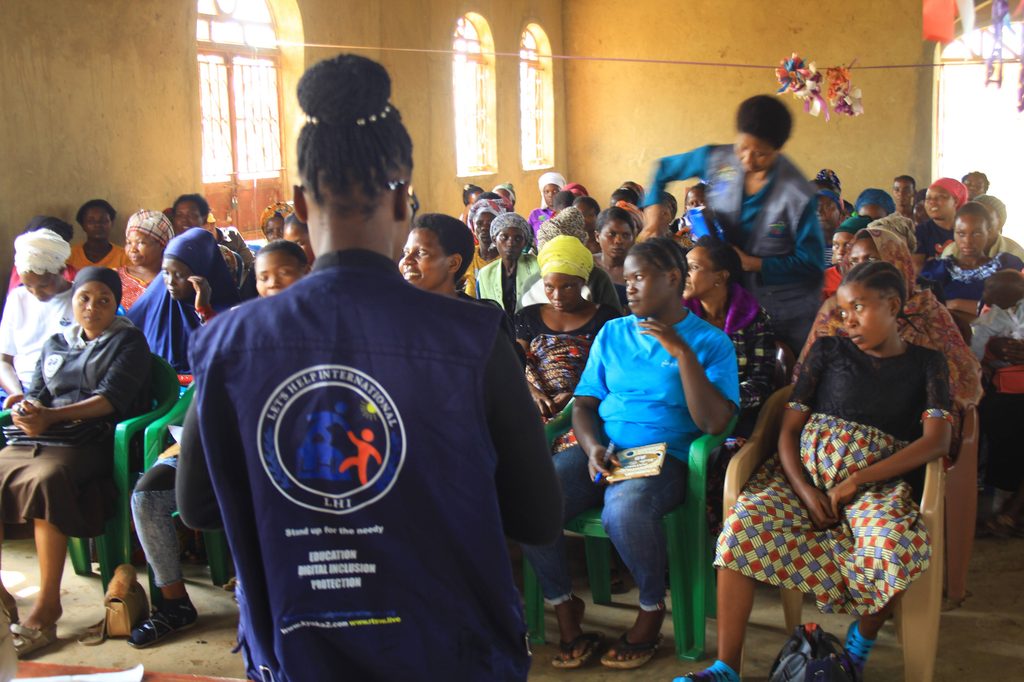
Water, Sanitation and Hygiene (WASH)
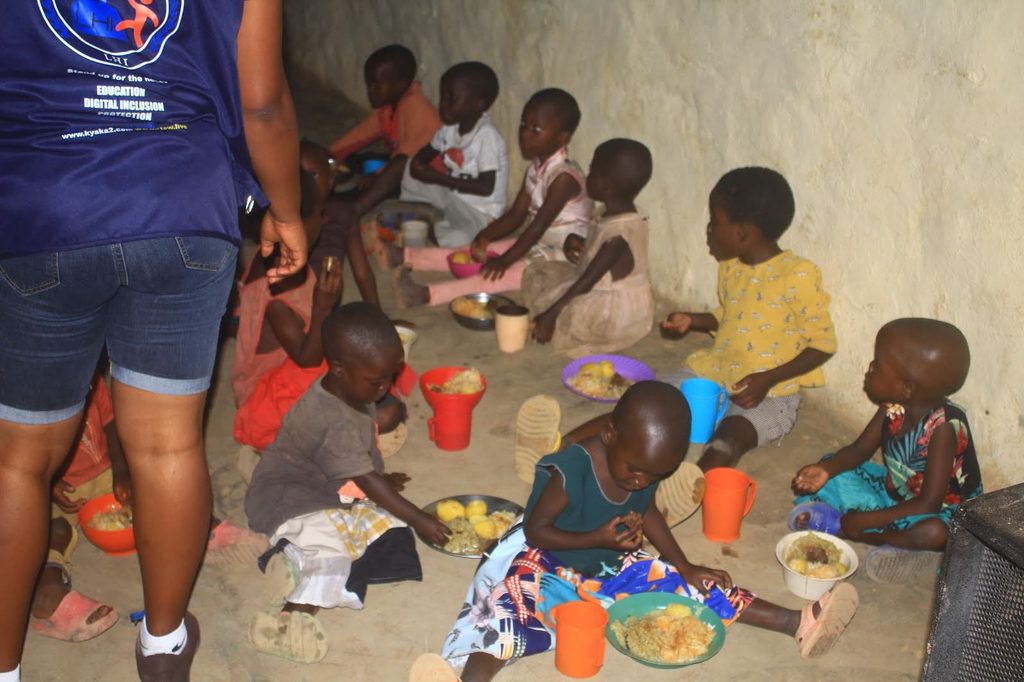
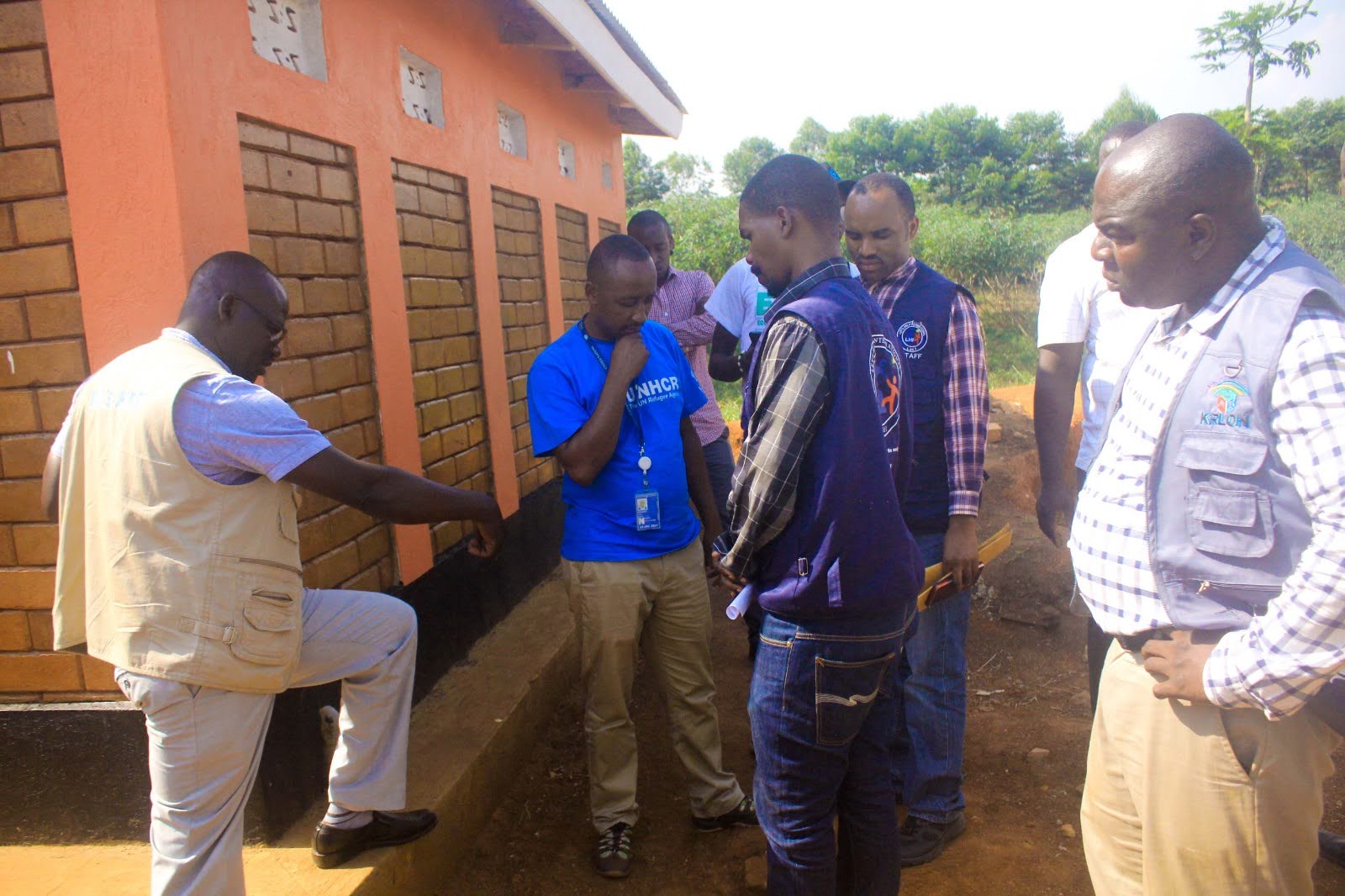
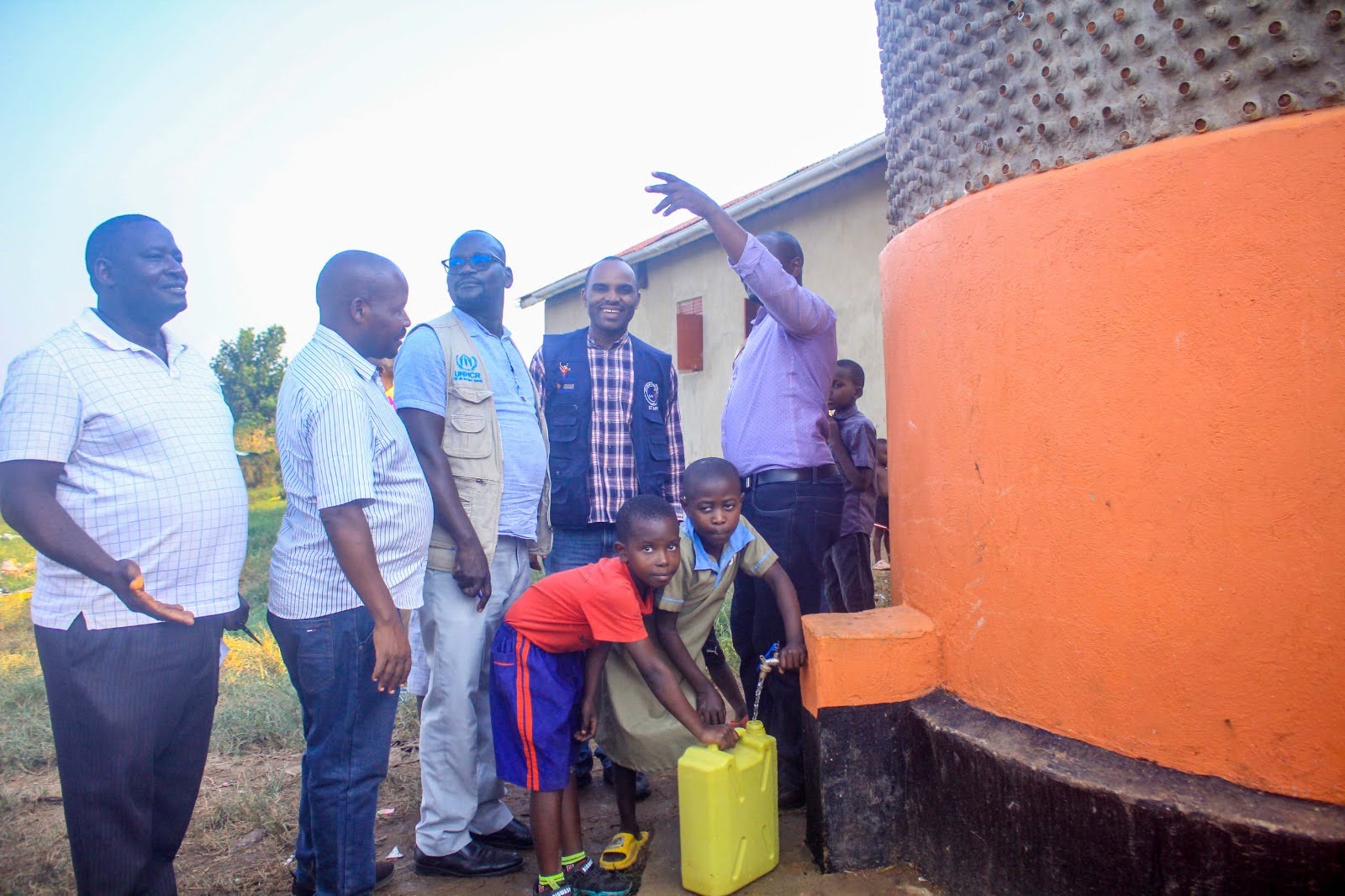
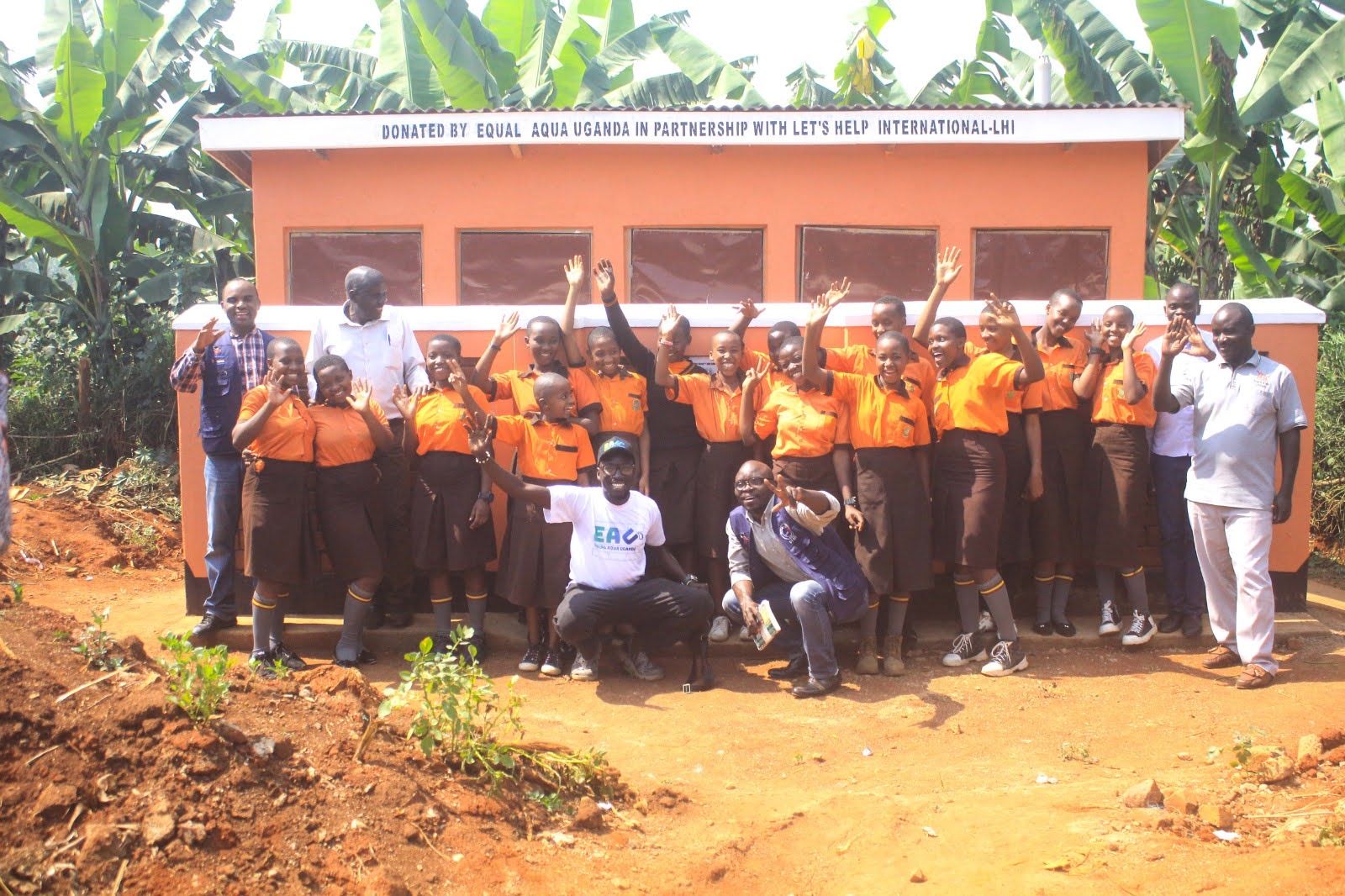
Access to clean water, sanitation, and hygiene is essential for healthy and dignified living.
LHI implements WASH initiatives that promote awareness, access, and community participation in improving sanitation and hygiene conditions.
Climate Action
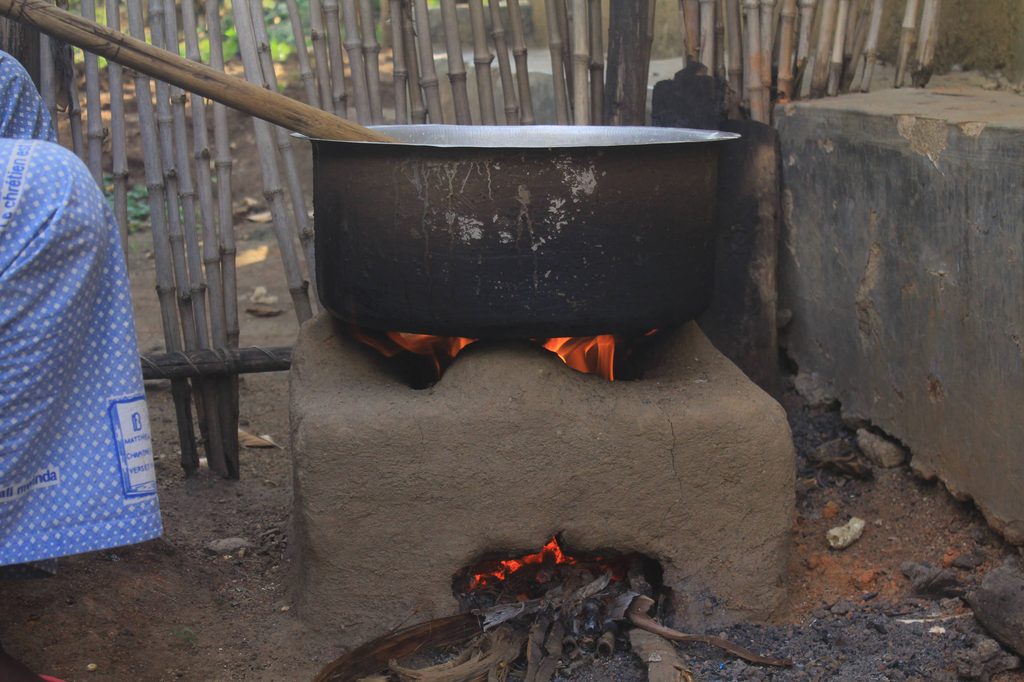
Climate change disproportionately affects vulnerable communities.
LHI promotes community participation in climate action and supports initiatives that empower people—particularly women and other community members—to participate in environmental protection and climate-resilient solutions.



Working Through Partnerships
LHI believes that we do not work alone.
Our work in Uganda is strengthened through collaboration with communities, refugee-led organizations, humanitarian agencies, development partners, government institutions, and other stakeholders.
Partnerships allow us to combine resources, knowledge, experience, and local leadership to create solutions that are more relevant and sustainable.
Our community-centered approach also reflects our commitment to localization—ensuring that refugees and local organizations are not simply recipients of assistance, but active leaders and partners in designing and implementing solutions.
From Uganda to Canada and Beyond
While LHI continues to serve refugee communities in Uganda, our mission has expanded to Canada.
In Edmonton, Alberta, LHI supports newcomers, immigrants, refugees, and other displaced persons through community support services, education and skills development, digital literacy, employment support, advocacy, and empowerment.
Our work in Canada and Uganda is connected by the same belief:
Everyone deserves dignity, opportunity, belonging, and the chance to build a better future.
The experiences of refugee communities in Uganda continue to inform our work with newcomers in Canada, while our Canadian experience creates new opportunities for learning, partnership, advocacy, and collaboration across borders.
Advocacy and Global Learning
LHI also recognizes that lasting change requires more than programs on the ground. It requires listening to affected communities and creating spaces where their experiences and ideas can influence decisions.
For this reason, LHI engages in advocacy, knowledge-sharing, and international dialogue on refugee and newcomer issues.
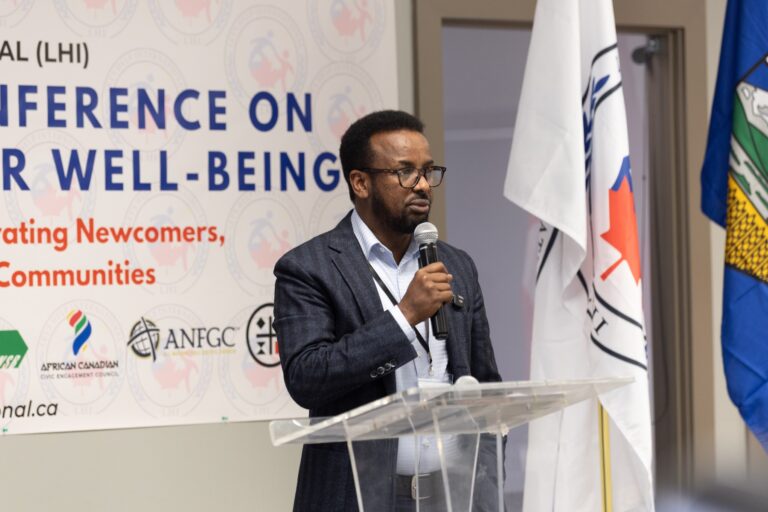
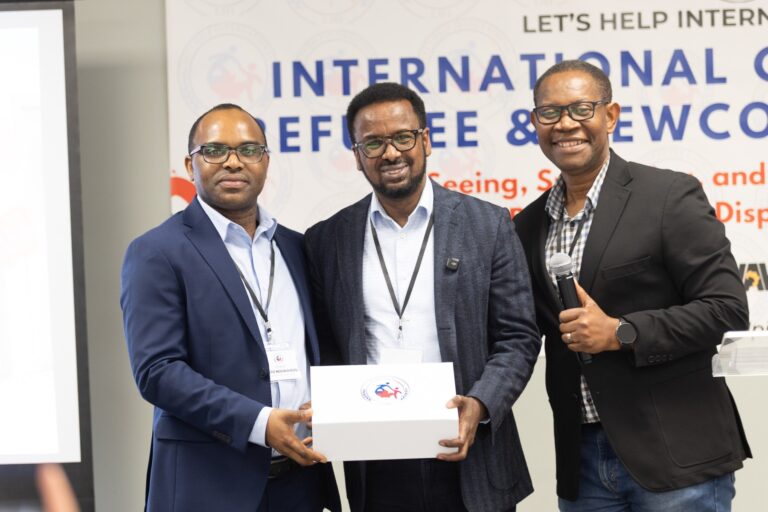
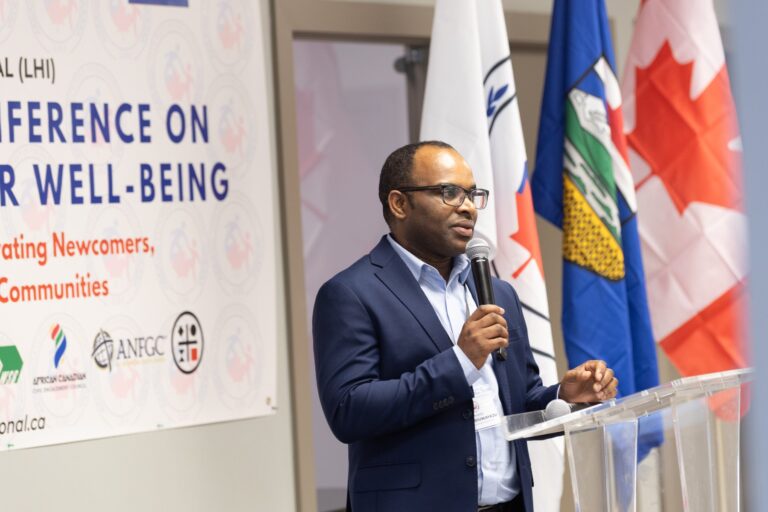
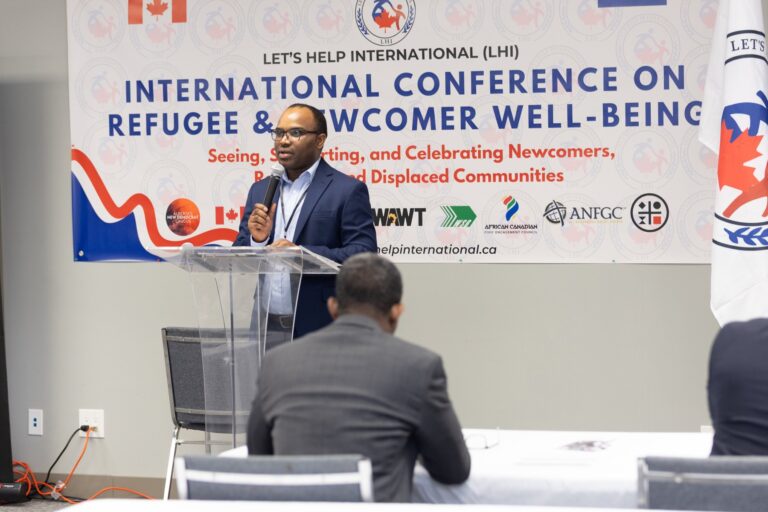
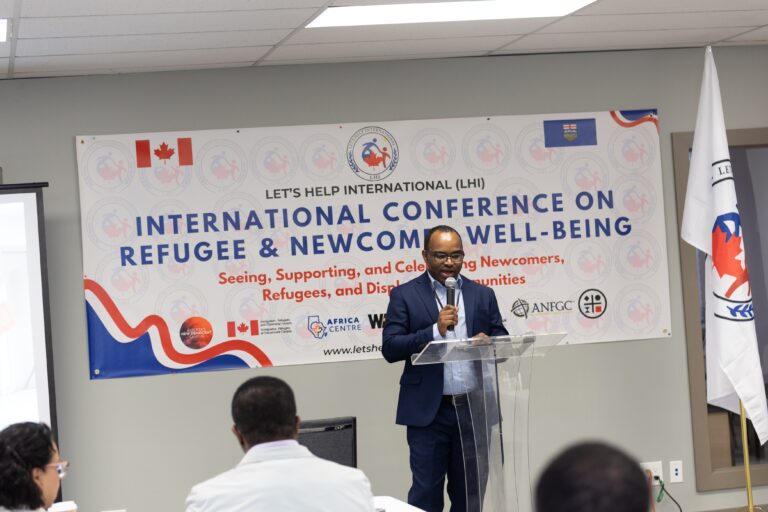
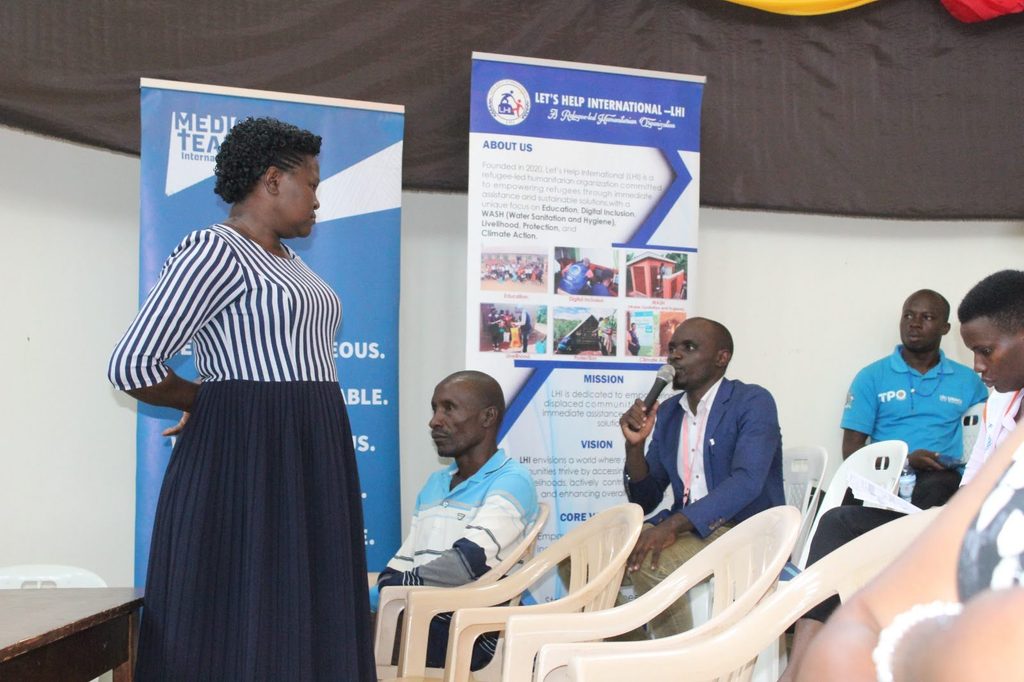
In 2026, LHI hosted the International Conference on Refugee & Newcomer Well-Being in Edmonton, bringing together community leaders, refugees, newcomers, faith communities, humanitarian organizations, advocates, and other stakeholders to discuss practical approaches to inclusion, belonging, well-being, localization, and community-led solutions.
Our advocacy work seeks to ensure that refugees and newcomers are not only supported but also heard, represented, and included in decisions that affect their lives.


Join Us
LHI’s work in Uganda demonstrates what can happen when communities, partners, volunteers, donors, and organizations come together around a shared commitment to human dignity.
There are many ways to support this work:
- Support digital inclusion and skills development
- Partner with LHI on community programs
- Volunteer your time and expertise
- Support newcomer programs in Canada
- Participate in advocacy and knowledge-sharing initiatives
- Make a to help us reach more vulnerable communities
Together, we can help create communities where people are not defined by displacement, but empowered by opportunity.